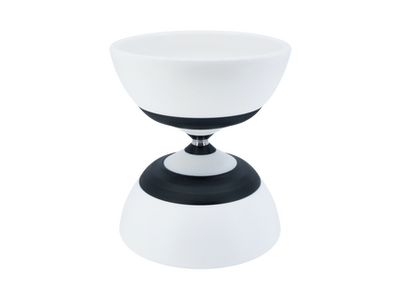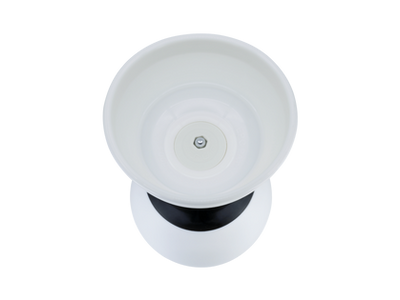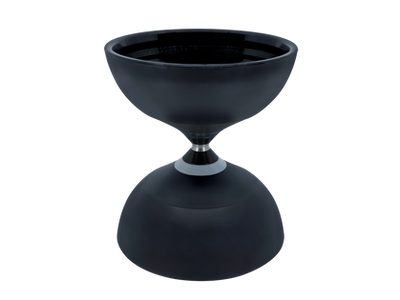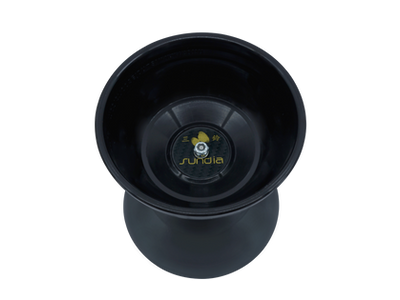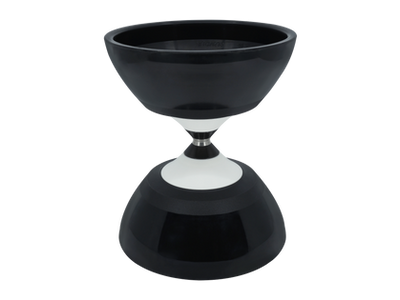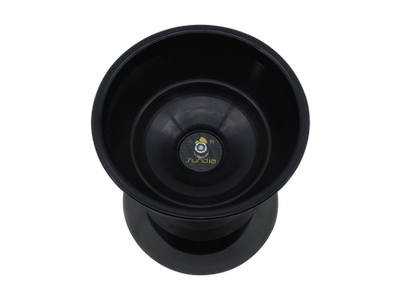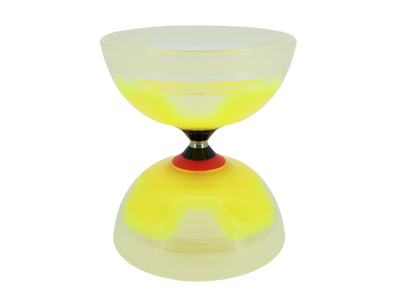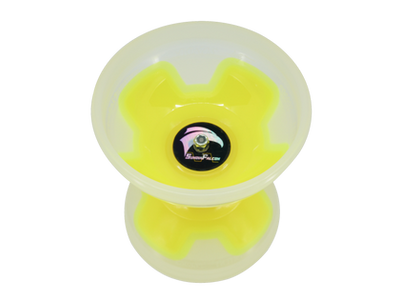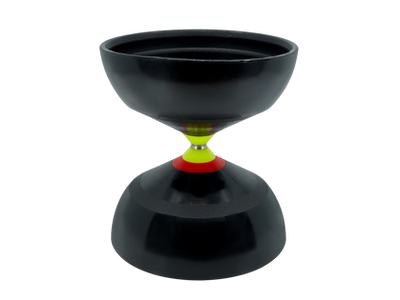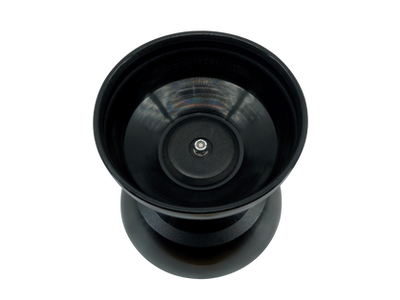
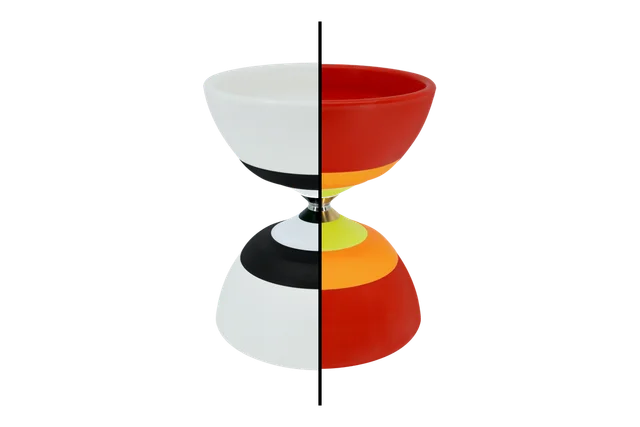
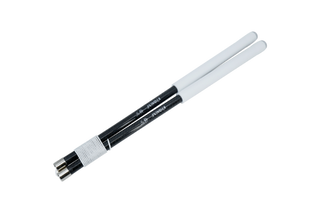

Fixed axle or bearing axle diabolo
The one decision to make before buying a diabolo. What a fixed axle and a bearing axle each do, which tricks need which, who should start on which, and which Sundia model fits.
Updated
DiaboloFocus imports Sundia for Europe and sells the Sundia products named here, plus some string and sticks from other brands. Recommendations are the shop’s own view. Prices of products sold here include VAT, shipping extra (see shipping and returns). Other brand names belong to their owners, who are not connected to this shop.
Decide the axle before the model. A fixed axle grips the string, so you feel and steer the diabolo directly; it is the home of the classic tricks and the only way into playing two or three diabolos. A bearing axle spins much longer on a single pull, in one direction, and is what vertical play, long combos and grinds are built on. Neither is better.
Choose a diabolo for the way you want to play, not for a minimum experience level. The EVO G2 is the one we recommend at every level, beginner to expert: its stability and smoother control make learning easier from the first session. The Echo is our budget diabolo, and the price is its advantage: to get there it uses simpler materials and looser tolerances, so it wears sooner and runs a little less steady and less smooth than an EVO. Fine for trying diabolo now and then; it is not a required step before an EVO or Magforce.
Fixed axle
The string wraps around a steel axle that does not turn independently of the cups. Every pull accelerates the diabolo, and every touch of the string transmits information back to your hands.
- What it is for: the whole classic repertoire, including the string climb and suicides, wraps, slacks and knots, and multi-diabolo play such as the two diabolo shuffle, which is impossible on a bearing because two diabolos on one string need friction to be steered.
- What it costs: 45 € for the EVO G2, the one we recommend at every level; 24 € for the Echo 2.0, our budget model. Lighter (215 to 240 g), nothing to maintain.
- What it demands: the spin has to be kept up. A beginner spends the first weeks learning to accelerate without tilting.
Bearing axle
The axle holds one or more one-way ball bearings, so the diabolo keeps spinning in one direction while the string slides freely in the other.
- What it is for: vertical play (“vertax”), long combos, body moves, stick grinds, and anything where you want the spin to outlast the trick. Children often prefer it: the diabolo keeps going, so the reward comes sooner.
- What it costs: 60 € for the Falcon, 70 € for the Magforce; 32 € for the budget Echo 2.0 Bearing, whose 3-B axle is nylon around a metal centre and so wears sooner than the all-metal axles of the other Sundia models. Heavier (240 to 265 g), and the nuts want re-tightening now and then.
- What it forbids: tricks that need string friction. The elevator will not climb, and a second diabolo cannot be controlled.
Which bearing
| Axle | Bearings | Character | Model |
|---|---|---|---|
| 1-B | 1 | Noticeable friction left; the axle that fits the small cups | Micro |
| 3-B | 3 | The standard; best balance of stability and durability | Falcon, Fly |
| 5-B | 5 | Fastest acceleration for one-minute routines; two axles, the non-EVO one the fragile one | EVO G3 5-B, 5-B axle |
| Magnetic 3-B | 3 plus magnets | Magnets in the hubs and the axle repel and hold a gap, so the axle never rubs; 2 mm larger | Magforce, Magforce NX |
Bearing models always come with the harder or semi-flexible cups: soft cups pass the shock of a drop straight into the bearings and bend the bolt over time, so Sundia does not combine them. Sundia’s bearings need only an occasional drop of Long Spin Oil.
Who should buy which
- Classic tricks and direct string feedback: EVO G2, our recommendation at every level. The Echo 2.0 costs less and is fine for playing now and then; it wears sooner and runs a little less smooth.
- Long spins on the smallest budget: Echo Bearing at 32 €. Its nylon axle wears sooner than an all-metal one, so if you mean to keep playing, start at the Falcon.
- Premium stability and long spins: Magforce NX, including as your first diabolo if your budget allows.
- Several diabolos on one string: choose matching fixed-axle models, such as the EVO G2.
Bottom line
Both can be a first diabolo. Choose a fixed axle for direct string control and classic tricks, or a bearing for longer spins and vertical play. Choose the model within that axle type according to your budget and the feel you prefer.
Questions
Is a bearing diabolo better than a fixed axle?
Neither is better; they are two kinds of play. A fixed axle gives direct control and is the only way into string climbs, suicides and two or three diabolos. A bearing spins much longer on one pull, in one direction, which is what vertical play, long combos and grinds are built on.
Which should a beginner buy?
Both can be a first diabolo. Choose a fixed axle for direct string control and classic tricks, or a bearing for longer spins and vertical play. Choose the model within that axle type according to your budget and the feel you prefer.
Which tricks do not work on a bearing?
Anything that relies on the string gripping the axle: the string climb (elevator), most slack and wrap tricks, and two-diabolo play. Grinds, on the other hand, only work on a bearing.
What is the difference between 1-B, 3-B, 5-B and Magforce?
The number of bearings in the axle. Single bearing (1-B) still leaves a lot of friction and really belongs on the Micro; triple bearing (3-B) is the standard we recommend; five bearing (5-B) accelerates faster for one-minute competition routines, and there are two different 5-B axles, the longer one for the Falcon and its family and a sturdier one made for the EVO; Magforce is a 3-B whose magnets hold the axle clear of the hubs so it rubs less.
Something to add, or disagree?
Guillaume reads every suggestion and updates the guide when it holds up.
Suggestions come from members, so a correction that is used can carry your name.Log in to suggest a change
Thanks, your note is in. If it holds up, the guide will change.