

The best diabolo string
Sundia, Henrys and Deos diabolo string compared on thickness, grip, feel and price per metre, with how much to buy and how often to change it.
Updated
DiaboloFocus imports Sundia for Europe and sells the Sundia products named here, plus some string and sticks from other brands. Recommendations are the shop’s own view. Prices of products sold here include VAT, shipping extra (see shipping and returns). Other brand names belong to their owners, who are not connected to this shop.
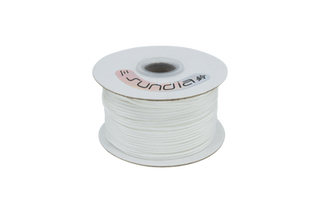
The best diabolo string for most players is Sundia’s 1.3 mm white string: smooth, slippery, and the best value per metre. Henrys string is rigid and grips more, which some fixed-axle players prefer; Deos is a high-tenacity polyester that shrugs off humidity. None of them is “better”: it is feel, and a higher price does not mean better play.
The strings compared
| String | Thickness | Feel | Roll | Price | Per metre |
|---|---|---|---|---|---|
| Sundia thin | 1.3 mm | Slippery, smooth, flowing | 35 or 525 m | 13 or 86 € | 0.16 to 0.37 € |
| Sundia thick | 1.5 mm | More friction, direct control | 60 or 600 m | 17 or 80 € | 0.13 to 0.28 € |
| Henrys | 1.25 mm | Grippy, responsive, rigid | 10, 25, 70 m | 9, 19, 44 € | 0.63 to 0.90 € |
| Deos | 1.3 mm | Grippy, immune to humidity | 10 or 100 m | 7 or 28 € | 0.28 to 0.70 € |
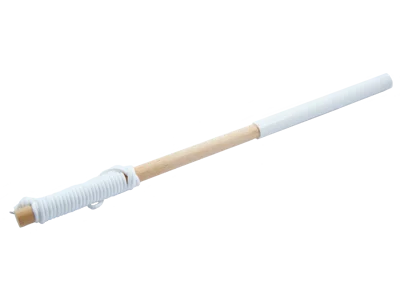
| Whip | 2 mm | Thick and slow, whip style only | 38 m | 18 € | 0.47 € |
| Nylon | 2 mm | Stiff, humidity-proof | 60 m | 15 € | 0.25 € |
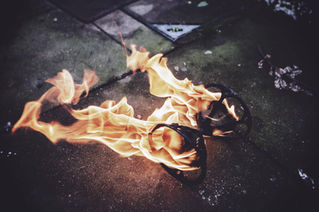
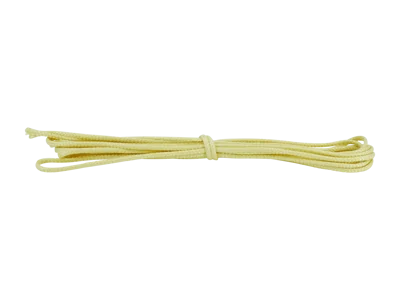
| Aramid fire | 2 mm | Slippery, fire diabolo only | by the metre | 1 € / m | 1 € |
The last three are specialists, not everyday string: keep to the first four unless you play whip style, live in a tropical climate or spin fire. Fire string lasts only if the diabolo keeps MOVING along it, because heat held on one point is what breaks it early.
Per-metre prices are approximate. Sundia’s thin string is the standard one; it comes in 35 m and 525 m only, the thick one in 60 m and 600 m only. The gradient rolls are the 1.5 mm string in 60 m, coloured for shows and video. Henrys is braided in Germany and does not stretch at all; it also comes as 750 m and 1000 m boxes for clubs and schools, about 0.39 € a metre. Deos is a high-tenacity polyester with a lot of friction.
What the differences mean
- Grippy or slippery. This is the axis that matters, and it is not really about speed. A grippier string is responsive: it bites the axle, so the diabolo reacts quickly to what your hands do and accelerates hard. Henrys and Deos are that end. A more slippery string slides: it flows along itself through wraps, knots and slacks instead of catching, which is smoother but less reactive. Sundia’s thin string is that end. Neither is better, and on a bearing the difference matters less either way.
- A new string needs breaking in. A fresh Sundia string usually feels far too slippery for the first hour, and takes one or two sessions to settle into feeling right. That is normal, so play it in before judging it. You can also nudge a string either way for a while: running it gently over skin, around the back of your neck or along a forearm, makes it more slippery, and running it back and forth under the sole of a shoe makes it grippier. Press lightly on that one, a sole dents easily. Both effects wear off, and both are only examples of what players do.
- Thickness. 1.3 mm is the standard. 1.5 mm gives a little more friction and a more direct feel, which suits a fixed axle and players who want the string to bite. There is one string above both, the 2 mm whip string developed with Chih Han Chao: it slows the whips down, which makes them easier to control and opens up tricks that whip style could not do before. It is a specialist tool, not a thicker version of your everyday string. The 2 mm aramid string is a different thing again and is only for fire diabolo.
- Humidity. Nylon strings stiffen and slow in damp air; Deos polyester does not, so it is the one to take to a humid climate. For genuinely tropical conditions, the kind of weather Taiwanese players deal with or a week of playing on a beach, there is nylon string: less comfortable than the regular string and it keeps a curve, but it is what to reach for when a normal string goes grippy within the hour.
- Colour. White is the default and what we recommend. The coloured rolls are the same string, though some players say a coloured one feels a little more slippery. Treat that as a subjective impression rather than a fact about the string.
How long to cut it
Measure it against your body, not with a tape. Stand with the diabolo on the ground and the string running up to the sticks: the default length reaches from the ground to somewhere between your collarbone and your chin. That is the length for one diabolo, and the length to keep for anything with high throws, however many diabolos are in the air.
Low multi-diabolo play is the exception. The more diabolos you hold in the low pattern, the longer the string wants to be: with four diabolos on the string (4low), roughly ground to nose; with five (5low), ground to above the head. Going the other way, shorter than the default, asks for a faster style of play, so cut short on purpose rather than by accident.
How much to buy
The default works out at roughly 1.5 m of string for an adult, so a 35 m roll is about 23 strings, a 60 m roll about 40, the 525 m box about 350 and the 600 m box about 400. Daily players change string every one to three weeks, so the 525 m box is a year or two of playing.
Change the string when it goes fuzzy, stiff or dark, or when it starts to feel too grippy. Fresh string is the cheapest upgrade in diabolo.
Bottom line
Sundia 1.3 mm white for anyone who plays regularly, as a 35 m roll or the 525 m box if you get through it. Henrys if you like a grippier, more rigid string, Deos for humid climates and nylon for the beach or a trip to Taiwan. The 2 mm whip string is for whip style, and the 2 mm aramid string only for fire diabolo. Sticks are covered in the best diabolo sticks.
Questions
Which diabolo string is best?
Sundia's 1.3 mm white string is what we play ourselves, smooth and slippery, and the best value per metre. Henrys string is rigid with a braided core and grips more, which some fixed-axle players prefer. Deos is a high-tenacity polyester that is unaffected by humidity and gives a lot of friction. It is a matter of feel, not quality.
How often should I change diabolo string?
When it goes fuzzy, stiff or discoloured, or when it starts to feel too grippy. A daily player changes string every one to three weeks; a casual player every few months. A 35 m roll is about 23 strings, and the 525 m box about 350.
How long should a diabolo string be?
Measure it against your body rather than with a tape. With the diabolo on the ground, the default length reaches from the ground to between your collarbone and your chin, which works out at roughly 1.5 m for an adult. Keep that length for one diabolo and for any high throws, whatever the number. Low multi-diabolo play wants more: with four diabolos on the string (4low) it is about ground to nose, and with five (5low) ground to above the head. Cutting shorter than the default asks for a faster style of play.
Does thicker string spin better?
Thicker string (1.5 mm) has more friction and gives more direct control, at the cost of speed on wraps. 1.3 mm is the standard and what we recommend. Above both there are three 2 mm strings, and all three are specialists rather than a thicker everyday string: one for whip style, nylon for tropical humidity, and aramid for fire diabolo.
Why does a new diabolo string feel too slippery?
That is normal on a fresh Sundia string. It usually feels far too slippery for the first hour and takes one or two sessions to settle into feeling right, so play it in before judging it. You can nudge it temporarily: running the string over skin, the back of the neck or a forearm, makes it more slippery, and running it back and forth under a shoe sole makes it grippier. Press lightly on the sole, it dents easily.
Should I buy white or coloured string?
White is the default and what we recommend: it is what most players use and the easiest to see on video. The coloured rolls are the same string, though some players find a coloured one feels slightly more slippery. That is a subjective impression, not a measured difference.
Something to add, or disagree?
Guillaume reads every suggestion and updates the guide when it holds up.
Suggestions come from members, so a correction that is used can carry your name.Log in to suggest a change
Thanks, your note is in. If it holds up, the guide will change.
Mentioned in this guide
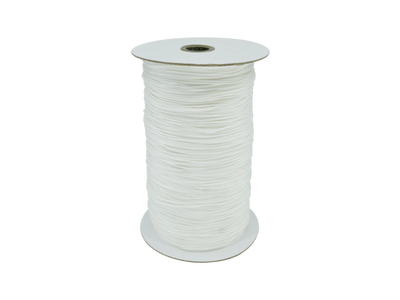
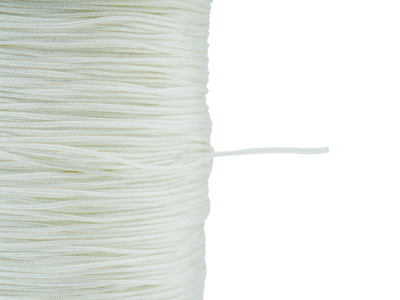 Sundia String White 525m90 €0,17 € / 1 m
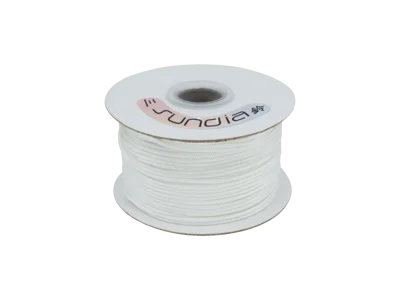
 Sundia String White 35m13 €0,37 € / 1 m
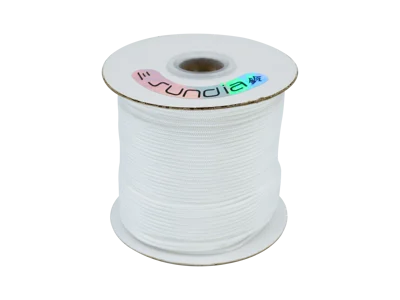
 Sundia String White 60m17 €0,28 € / 1 m
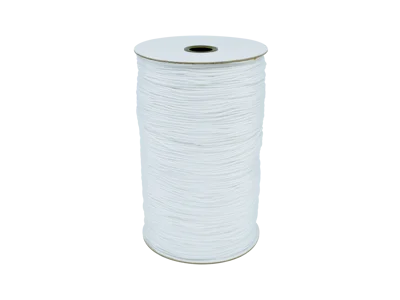
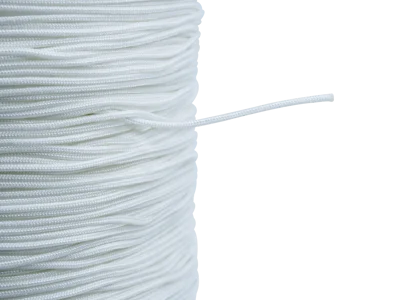 White String 600m90 €0,15 € / 1 m
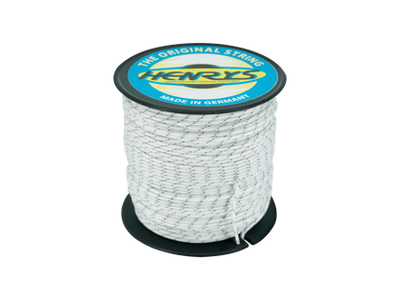
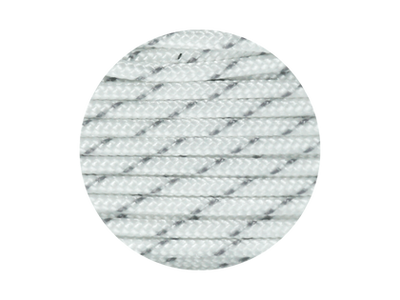 Henrys String White 70m44 €0,63 € / 1 m
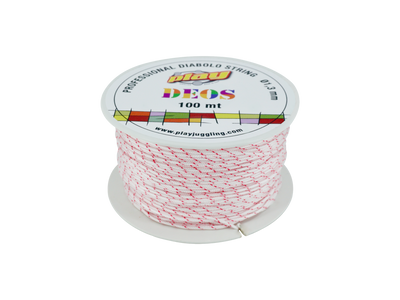
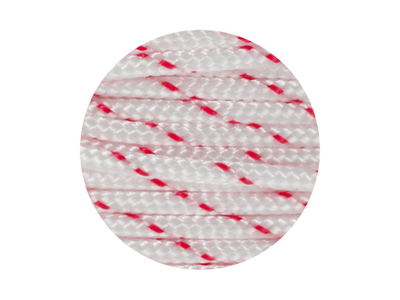 Deos String White 100m28 €0,28 € / 1 m
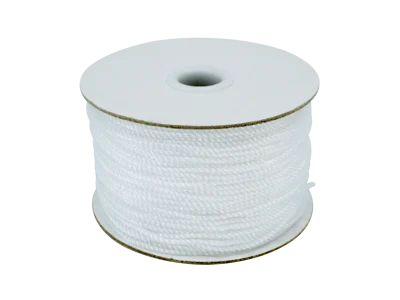
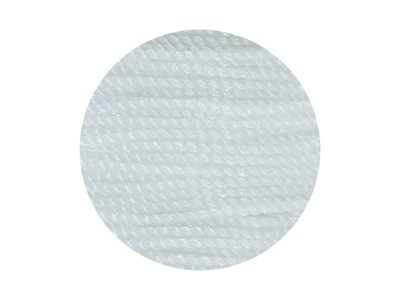 Nylon String White 60m15 €0,25 € / 1 m
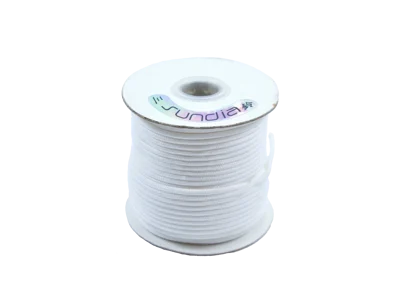
 Whip String 38m18 €
 Aramid Fire String1 €