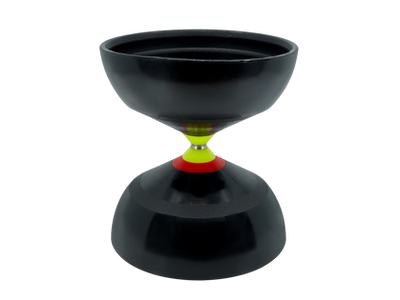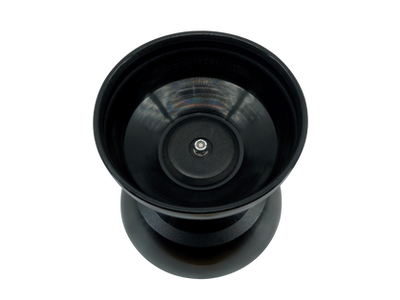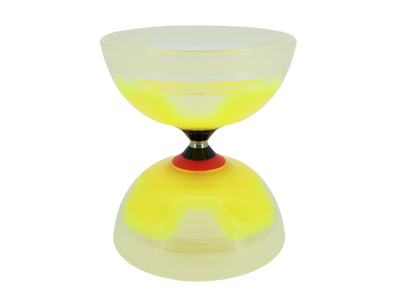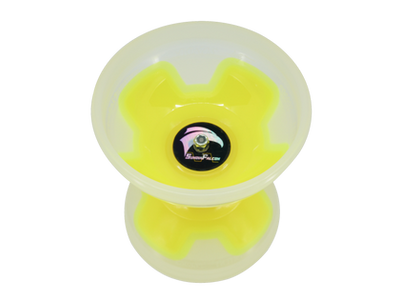

The best diabolo for beginners
Which diabolo to buy first, with the Sundia EVO G2, Echo, Henrys Circus, Henrys Vision, Mister Babache Finesse and Taibolo compared on weight, cups, axle and price.
Updated
DiaboloFocus imports Sundia for Europe and sells the Sundia products named here, plus some string and sticks from other brands. Recommendations are the shop’s own view. Prices of products sold here include VAT, shipping extra (see shipping and returns). Other brand names belong to their owners, who are not connected to this shop.
Choose a diabolo for the way you want to play, not for a minimum experience level. A better diabolo is not a reward for later: greater stability and smoother control make learning easier from your first session.
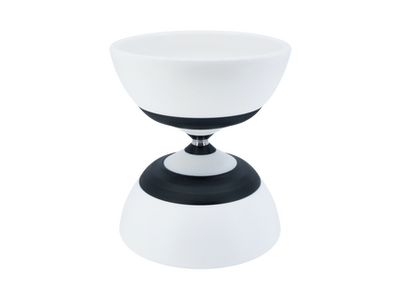
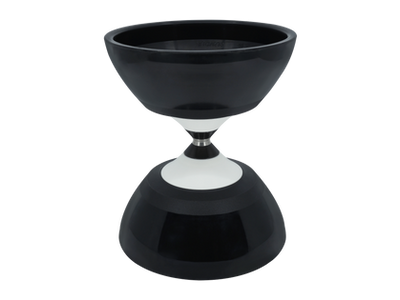
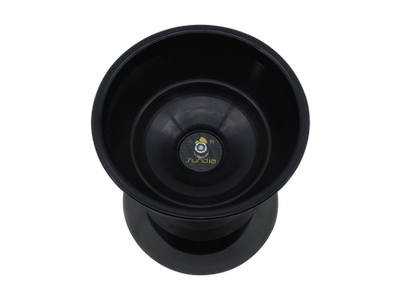
We recommend the Sundia EVO G2 to everyone, beginners, intermediate players and experts alike: soft cups, a stability ring and a fixed axle for 45 €. For a bearing axle, the Magforce NX is the one we would buy. The Echo is our budget diabolo: the price is its advantage. To get there it uses simpler materials and looser tolerances, so it wears sooner and runs a little less steady and less smooth than an EVO. Fine for trying diabolo now and then; if you mean to keep playing, the EVO G2 is the one we recommend at every level.
What makes a diabolo easy to learn on
Four things decide how quickly a beginner gets the diabolo to run straight:
-
Weight around 220 to 260 g. Lighter diabolos react to every twitch of the hands; heavier ones tire the arms and slow the first tricks.
-
An axle that fits your preferred tricks. Fixed gives direct string feedback; bearing gives you longer spins while learning. See fixed axle or bearing axle.
-
A stability ring or a sharp cup edge. When you correct a leaning diabolo, the string touches one point instead of dragging along the cup. This is the single feature that separates a real diabolo from a toy.
-
Cups that survive drops. A beginner drops the diabolo hundreds of times in the first month. Soft or semi-flexible cups shrug that off.
The candidates, side by side
Sundia figures and prices are the manufacturer’s specifications and this shop’s prices on 13 September 2026. Other brands’ weights and sizes are from the manufacturers’ published specifications where available and are otherwise approximate (marked “about”); their prices are the manufacturer’s recommended retail price where we have one and otherwise the ranges seen at European online retailers on 3 September 2026; they vary by shop and may have changed since.
| Model | Made in | Weight | Cup diameter | Cups | Axle | Sharp edge for corrections | Price |
|---|---|---|---|---|---|---|---|
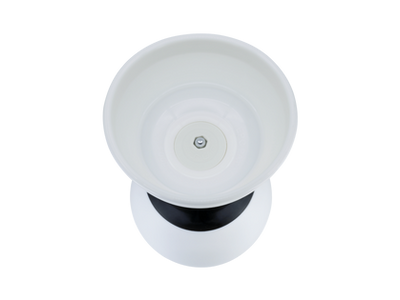
| Sundia EVO G2 | Taiwan | 240 g | 12.7 cm | Soft, solid colours | Fixed | Yes, stability ring on the cup | 45 € |
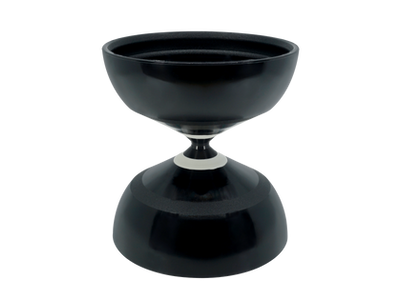
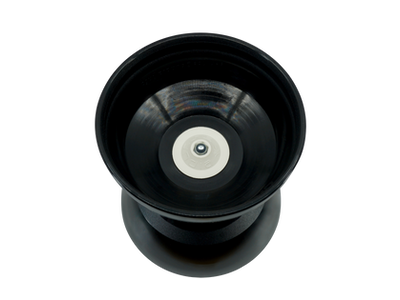
| Sundia Echo 2.0 | Taiwan | 215 g | 12.8 cm | Glossy, low-friction ring | Fixed | Yes, low-friction cup ring | 24 € |
| Sundia Echo 2.0 Bearing | Taiwan | 240 g | 12.8 cm | Glossy, low-friction ring | Triple bearing | Yes, low-friction cup ring | 32 € |
| Henrys Circus | Germany | about 270 g | 13.0 cm | Rubber, very soft | Fixed | No, rounded cups | 49.90 € |
| Henrys Vision | Germany | about 240 g | 12.7 cm | Elastomer, slightly stiffer | Fixed (bearing version sold as Vision Free) | No | 39.50 € |
| Mister Babache Finesse | Switzerland | about 265 to 277 g | 13.5 cm | Hirex plastic | Fixed, bearing centre sold separately | No | about 30 to 40 € |
| Taibolo Pearly | Taiwan | about 262 g | 13.0 cm | Soft | Triple bearing | No | about 35 to 45 € |
All of these are real diabolos and any of them will get someone through the first year. The differences that matter for a beginner:
- Stability under correction. The EVO G2’s ring is why teachers and performers reach for it: a wobble is fixed with one touch. The Henrys Circus is the most forgiving on drops but drifts more, and its 270 g feel heavy after an hour.
- Weight. The EVO G2 and the Vision, both at 240 g, sit in the middle of the range; the Finesse and Circus sit at the heavy end.
- Build. The Echo reaches its price with simpler materials and parts made to looser tolerances. The Echo Bearing’s 3-B axle is yellow nylon with a metal centre where the string rests, where the other Sundia models use all-metal axles. So the Echo wears sooner and runs a little less steady and less smooth, and forgives less, than an EVO.
- Upgrade path. An EVO G2 takes every Sundia part: the 3-bearing axle, single replacement cups (16 €), narrow hubs, LED kits. A Henrys takes its Free bearing axle and single cups too; a Finesse takes Babache’s own centre pieces. One small thing for anyone who travels: a Sundia fixed axle comes apart by hand (self-locking washers), the others need a tool.
Our recommendation
- Our recommendation at every level: EVO G2, with soft cups, a stability ring and a fixed axle. The diabolo we recommend to beginners, intermediate players and experts alike.
- Bearing axle: Magforce NX, the bearing model we would buy, for stability and smooth spin at any level.
- Budget, for trying diabolo now and then: Echo 2.0 (24 €), or Echo Bearing (32 €) for longer spins. The price is its advantage; it wears sooner and runs a little less steady than an EVO.
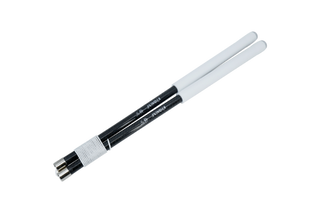
Add sticks: see the best diabolo sticks. A finished starter set (EVO G2, plastic sticks, string) is about 66 €; with carbon sticks about 88 €.
Bottom line
Both can be a first diabolo. Choose a fixed axle for direct string control and classic tricks, or a bearing for longer spins and vertical play. Choose the model within that axle type according to your budget and the feel you prefer.
For a first diabolo, at any level, choose the Sundia EVO G2; for a bearing axle, the Magforce NX. Take the Echo when the price decides: it is fine for playing now and then, but less durable and a little less steady than an EVO.
Questions
What is the best diabolo for a complete beginner?
The Sundia EVO G2, which we recommend at every level, from the first session to expert play: soft cups that forgive drops and a stability ring that fixes a wobble with one touch. For a bearing axle, the Magforce NX is the one we would buy. The Echo is our budget diabolo, fine for trying diabolo now and then; if you mean to keep playing, choose the EVO G2.
Should a beginner start on a fixed axle or a bearing axle?
Both can be a first diabolo. Choose a fixed axle for direct string control and classic tricks, or a bearing for longer spins and vertical play. Choose the model within that axle type according to your budget and the feel you prefer.
How much does a good beginner diabolo cost?
The EVO G2 we recommend costs 45 €. The Echo 2.0 (24 €) is our budget option: to reach that price it uses simpler materials and looser tolerances, so it wears sooner and runs a little less steady and less smooth than an EVO. Allow for sticks and string on top.
Do I need sticks and string as well?
Yes. Sundia diabolos ship without sticks; a set of 31 or 32 cm sticks costs 14 € in plastic, 21 € in fibreglass or 36 € in carbon, and string comes on the carbon sticks or for a few euros a roll.
Something to add, or disagree?
Guillaume reads every suggestion and updates the guide when it holds up.
Suggestions come from members, so a correction that is used can carry your name.Log in to suggest a change
Thanks, your note is in. If it holds up, the guide will change.