The best diabolo for kids, by age
Which diabolo to buy a child at 5, 8 or 12, with the Sundia EVO G2, Echo 2.0, Henrys Vision and Circus compared on weight, durability, price and how fast a child gets a reward.
Updated
DiaboloFocus imports Sundia for Europe and sells the Sundia products named here, plus some string and sticks from other brands. Recommendations are the shop’s own view. Prices of products sold here include VAT, shipping extra (see shipping and returns). Other brand names belong to their owners, who are not connected to this shop.
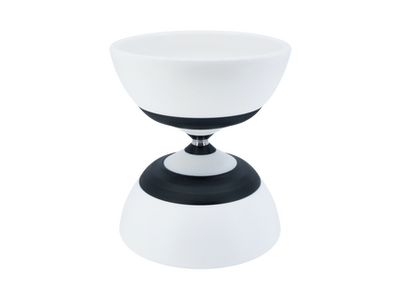
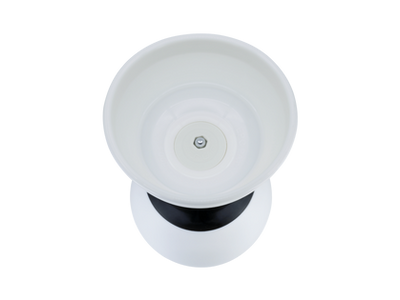
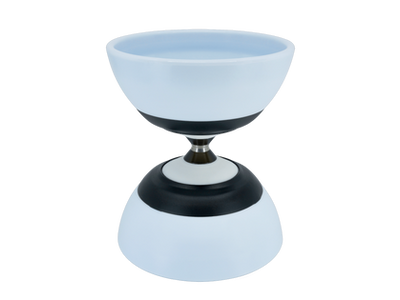
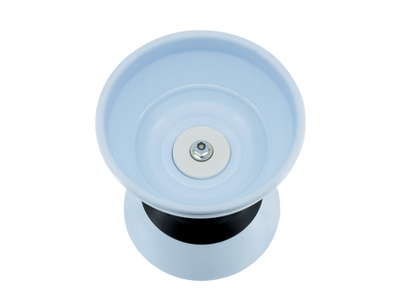
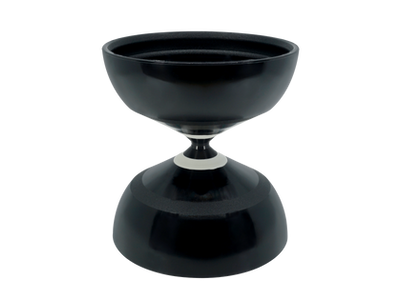
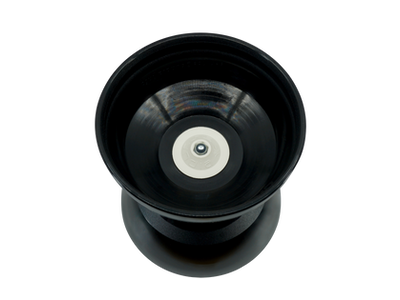
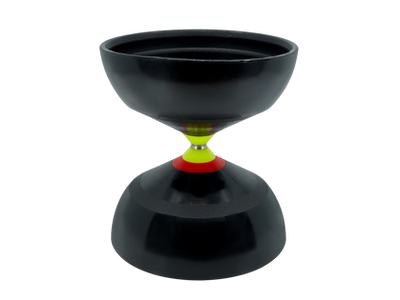
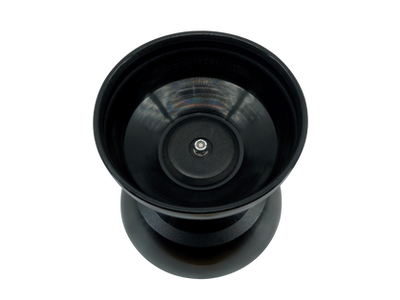
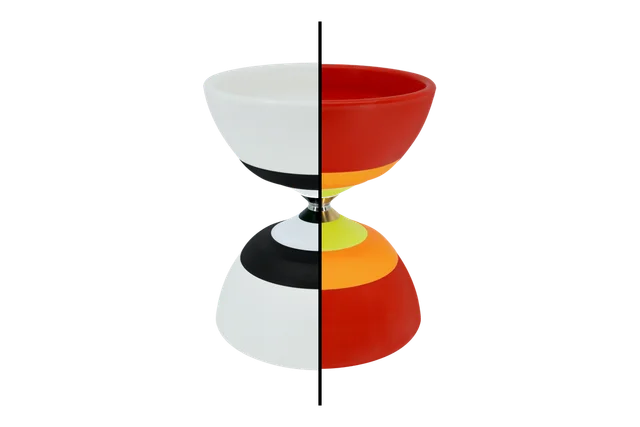
For a child, buy the diabolo we recommend to everyone: the Sundia EVO G2, 240 g, 45 €, fixed axle. Its soft cups forgive a child’s drops, its stability ring fixes a wobble with one touch, and it is the diabolo they can keep as they grow. The Echo 2.0 (24 €) is our budget diabolo: fine for a child who wants to try diabolo now and then, or to equip a group on a small budget, but it wears sooner and runs a little less steady than an EVO. Skip toy diabolos: they wobble, crack, and teach children that they cannot do it.
By age
| Age | Diabolo | Axle | Weight | Price | Sticks |
|---|---|---|---|---|---|
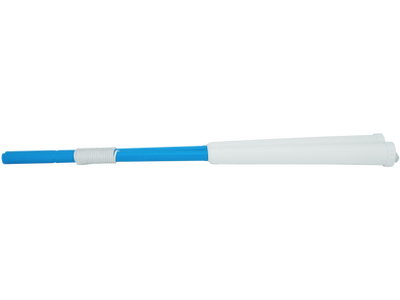
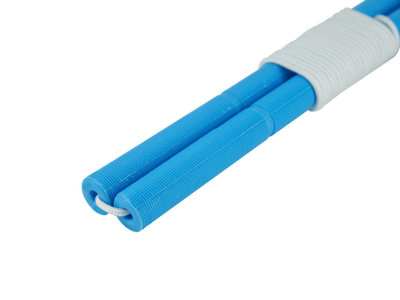
| 5 to 7 | EVO G2 | Fixed | 240 g | 45 € | Plastic 31 cm, 14 € |
| 6 to 9, impatient | EVO G3 5-B, or Echo 2.0 Bearing on a small budget | 5-bearing or triple bearing | 250 or 240 g | 66 or 32 € | Plastic 31 cm, 14 € |
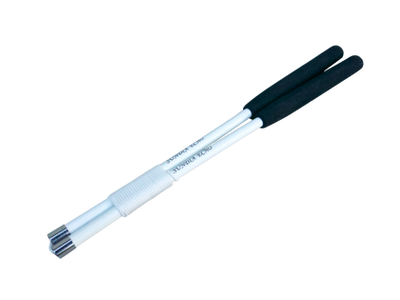
| 8 to 12 | EVO G2 | Fixed | 240 g | 45 € | Fibreglass Echo 31 cm, 21 € |
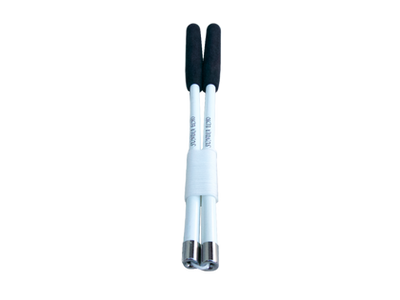
| 12 and up | EVO G2 | Fixed | 240 g | 45 € | Carbon 30 or 32 cm, 36 € |
What matters for a child
- Weight. A 240 g diabolo comes up to speed in a few pulls; a 270 g one needs more arm than a seven-year-old has. That is why we put the EVO G2 ahead of the Henrys Circus (about 270 g) for young children, even though the Circus’s rubber shells are the toughest on the market.
- Reward time. The first weeks are about getting the diabolo to spin. A bearing keeps spinning between pulls, so a child sees it work sooner. A fixed axle teaches more, but only if the child stays. See fixed axle or bearing axle.
- Durability. The EVO G2’s soft cups take the hundreds of drops of a first month, and if a cup does break, a single cup is 16 €. The Echo reaches its price with simpler materials and parts made to looser tolerances (the Echo Bearing’s 3-B axle is nylon around a metal centre, where other Sundia models use all-metal axles), so it wears sooner than an EVO.
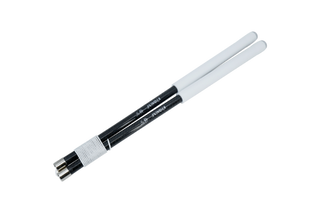
- Stick length. 31 cm sticks are right from age 6 up; shorter “junior” sticks make throws harder, not easier. Plastic sticks are light and survive being sat on.
Henrys and the others
Henrys figures below are from the manufacturer’s published specifications where available and otherwise approximate (marked “about”); the prices are the manufacturer’s recommended retail price where we have one and otherwise the ranges seen at European online retailers on 3 September 2026; they vary by shop and may have changed since.
The Henrys Vision (about 240 g, 39.50 €) is the closest competitor for children: light, with stiffer elastomer cups, no stability ring. The Henrys Circus (about 270 g) is the classic school diabolo and the most indestructible thing on this page, at the cost of weight. Both are good for a circus class that needs a box of diabolos that survive anything, and the Echo 2.0 is the budget way to equip a group; for one child who is going to keep the diabolo, the EVO G2 is steadier. More in Sundia vs Henrys.
The complete set
- EVO G2, 45 €
- Plastic sticks 31 cm, 14 €, or fibreglass Echo sticks, 21 €
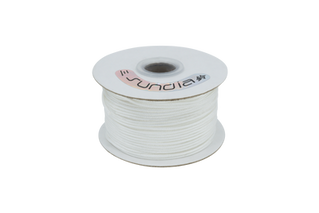
- A roll of string, from 7 € (Deos 10 m)
About 66 € with plastic sticks, 73 € with fibreglass. On a small budget, the Echo 2.0 (24 €) in place of the EVO G2 brings the set to about 45 €. Add the Learn to diabolo pages for the first tricks in order.
Bottom line
EVO G2 at every age, the EVO G3 5-B for a child who needs to see it spin. The Echo 2.0 when the budget decides: for trying diabolo now and then, or for a group kit. Avoid anything sold as a toy.
Questions
What age can a child start diabolo?
From about 6 with an adult beside them, from about 8 on their own. The limiting factor is arm strength and patience, not the diabolo; a steady, forgiving fixed-axle model such as the Sundia EVO G2 helps with both.
Fixed axle or bearing for a child?
Fixed if the child is patient and there is someone to show them the first pulls. Bearing if the child gives up as soon as the diabolo stops: on a bearing it keeps spinning, so the reward comes sooner. Our fixed-axle pick is the Sundia EVO G2 (45 €); for a bearing, the EVO G3 5-B (66 €), or the Echo 2.0 Bearing (32 €) when the budget decides.
Is a cheap toy diabolo good enough to start?
No. Toy diabolos with hard plastic cups and a screw axle wobble, crack and stop, and are the main reason children decide they "can't do it". A real diabolo starts at 24 € with our budget Echo 2.0; the EVO G2 we recommend costs 45 €.
What is a complete kids' set?
EVO G2 (45 €), plastic sticks (14 €) and a roll of string (from 7 €), about 66 € in total, or the fibreglass Echo sticks (21 €) for a set that lasts into the teens. On a small budget, the Echo 2.0 (24 €) brings the set to about 45 €.
Something to add, or disagree?
Guillaume reads every suggestion and updates the guide when it holds up.
Suggestions come from members, so a correction that is used can carry your name.Log in to suggest a change
Thanks, your note is in. If it holds up, the guide will change.