
How to use a fire diabolo: fuel, wicks and safety
Which fuel to use, how to soak and spin off the wicks, the safety kit and the space you need, how to light, play, put out and cool a fire diabolo, and how to look after the wicks and string.
Updated
DiaboloFocus imports Sundia for Europe and sells the Sundia products named here, plus some string and sticks from other brands. Recommendations are the shop’s own view. Prices of products sold here include VAT, shipping extra (see shipping and returns). Other brand names belong to their owners, who are not connected to this shop.
A fire diabolo is a stage prop, and fire is the part that can hurt you or the people watching. This guide collects what fire performers agree on, what we wrote on our own fire products, and what our customers have told us. It does not replace learning from someone who already spins fire, and it does not override the instructions on your fuel or your prop. Fire diabolo is for adults, 18 and over.
Before the first fire
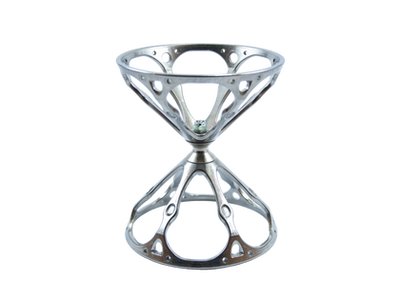
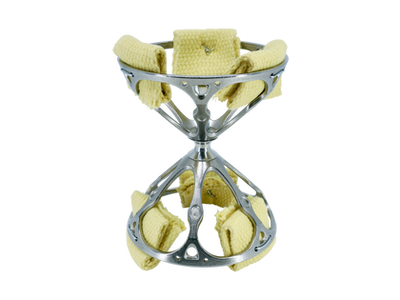
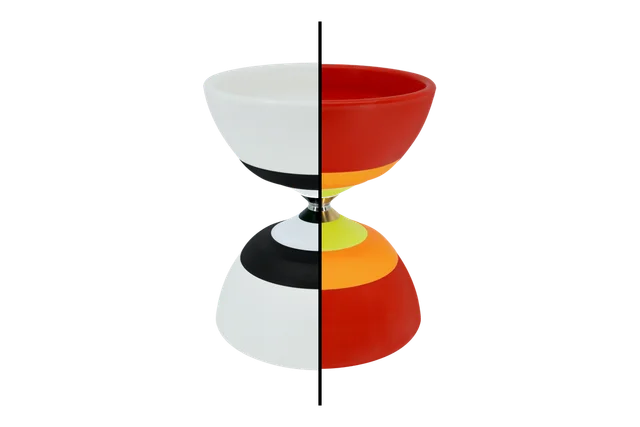
- Learn it unlit. Play every move you plan to do with fire on the unlit diabolo first, wicks fitted. A fire diabolo is heavier than a normal one (the Sundia weighs 500 g with its wicks) and its wicks limit the tricks. High throws and suns are what it does well.
- Use fire string. On a metal fire diabolo the axle heats up and a normal string melts. Play it on aramid fire string, and soak the string in a bowl of water before each session.
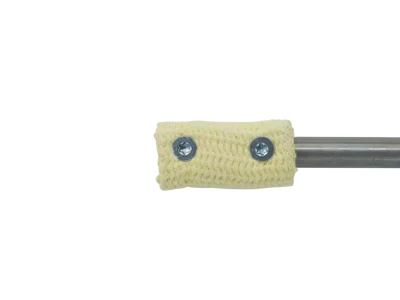
- Check every fixing. Before each session, check that every wick is tight, whether it is held with wire or bolted through with a washer and nut. A wick that works loose unbalances the diabolo and makes it wobble at speed. Check the axle nuts too.
- A new wick drinks more. Its first soak takes longest, and new wicks often burn smaller for the first few uses.
The fuel
- Use paraffin, sold as lamp oil, kerosene or, in German, Petroleum and Paraffinöl. It is the fuel most fire toy makers recommend: its high flash point means a puddle of it does not ignite at normal temperatures, and it burns relatively cool. It smokes and smells. Dearomatised kerosene burns cleaner and is what some diabolo fire kits specify.
- Some performers use white gas (Coleman fuel) or isoparaffins. White gas lights more easily and smokes less, but its vapour is heavier than air and can catch fire at a distance: it is not a beginner’s fuel.
- Never use petrol, diesel, white spirit or methylated spirits, and never mix fuels. “Waschbenzin” is not kerosene: it behaves like petrol.
- Read the safety data on the fuel you buy. Lamp oil is harmful if swallowed; keep it in its original labelled container, or a metal fuel can, never in glass, and away from children and heat.
Soaking and spinning off
- Set up a fuel dump on stable, non-flammable ground, away from where you will play and where you will light, with a lidded container.
- Soak one side at a time. Lay the diabolo in the fuel with one side’s three wicks under the surface and wait until the bubbles stop rising. Then the wick is full. Turn it over and soak the other side.
- Spin off the excess over the container, well away from where you light, until nothing more flies off. Too much fuel throws burning droplets and makes flames bigger than the diabolo is built for.
- Wipe the axle, the string and your hands if fuel has run onto them, and close the fuel container before anyone lights anything.
The safety kit and the space
- A safety person. Never spin fire alone. Someone sober, whose only job is your safety, standing by with a damp cotton towel or a fire blanket and an extinguisher (a dry powder ABC extinguisher is the common choice). Water does not put out burning fuel; it spreads it.
- Space. Outdoors, on clear ground, with several metres free around you in every direction and nothing overhead: no trees, wires or ceilings, because a fire diabolo goes up. Rules written for public shows ask for about six metres between the performer and the audience.
- Clothing. Natural fibres that fit close: cotton, wool, leather. Synthetics melt onto skin. Tie long hair back and leave out hairspray and gel.
- Wind. Wind pushes the flames and carries fuel droplets. Stand so it blows the flames away from you and from the audience, or wait.
Lighting and playing
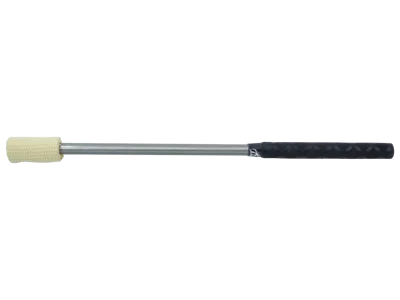
- Light with a torch. A lighter is too slow for six wicks: a torch gets them all burning quickly, and its long handle keeps your hand away from the flame. Light away from the fuel, and only when your safety person is ready.
- Keep it moving. A spinning diabolo keeps the flames off the axle and the string. Let it rest on one point of the string and the heat weakens the string there.
- Expect a short burn. The spinning feeds the flames more air, so they burn hotter and faster than on a prop that stays still. A customer of ours put it simply: very showy, but the fire does not last long. Build the routine around one soak.
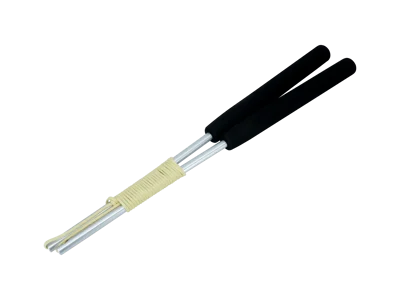
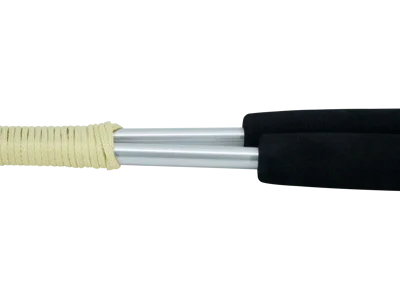
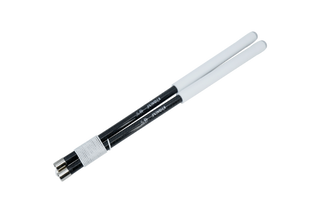
- Keep a spare. Performers keep a second pair of fire sticks, strung and soaking in a bowl of water: a snapped string or a tangle mid-show is then a quick swap.
Putting it out and cooling down
- Let it burn out, or smother the wicks: wrap them in the damp towel or the fire blanket and hold it closed for a few seconds before you open it. Do not pat the flames, do not blow on them, and do not dip the diabolo in water or fuel.
- Keep it spinning after the flames go out, for 5 to 10 minutes, until you can hold it in your bare hand. The steel stays hot long after the flame is gone, and hot metal bends more easily if dropped.
- Never put it down hot, and never put it away warm or still wet with fuel. Let it cool and air before it goes into a bag.
Wicks, string and storage
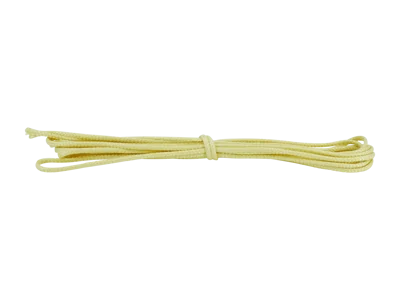
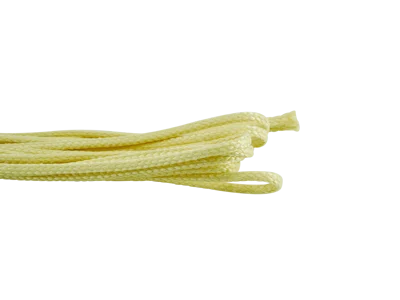
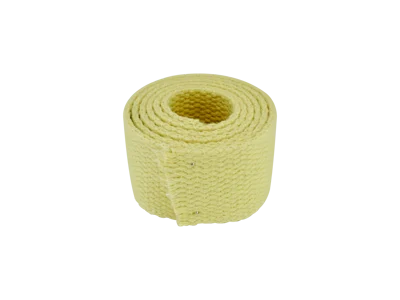
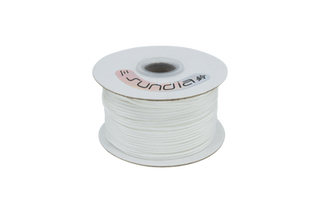
- Wicks are a consumable. A spinning diabolo burns its wicks faster than a static prop, and with use they hold less fuel. Replace a wick when it is burnt through, frayed or no longer takes fuel: replacement Kevlar wick is sold by the metre, and one metre covers the whole diabolo. Putting the flames out before they reach dry wick helps a wick last.
- Fit it tight. Our pre-installed wicks are held with wire. For a sturdier build, bolt each wick through the diabolo with a washer and nut, locked tight.
- Change the string when it frays or stiffens, and soak it every time.
- Store fuel in its labelled container, closed, away from living areas, heat and sun, and only bring as much to a show as you need.
Bottom line
Practise unlit, play on soaked aramid string, soak the wicks fully and spin off the excess well away from where you light, and never light without a safety person, a damp towel or fire blanket and an extinguisher. Keep the diabolo moving, put it out by smothering, and keep spinning it until it is cool enough to hold. Choosing a fire diabolo first? See the best fire diabolo.
Questions
Which fuel should I use for a fire diabolo?
Paraffin, also sold as lamp oil or kerosene, is the fuel most fire toy makers recommend: it has a high flash point and burns relatively cool, though it smokes and smells. Dearomatised kerosene is cleaner. Never use petrol, diesel, white spirit or methylated spirits, and never mix fuels. Follow the safety data on the fuel itself.
How long should I soak the wicks?
Until the bubbles stop rising, one side at a time, with that side's wicks fully under the surface. A new wick takes longest, around ten minutes the first time; later soaks are shorter. A quick dip leaves the wick half dry and it burns out early.
How long does a fire diabolo burn?
A few minutes, not a whole show. The spinning feeds the flames more air, so they burn hotter and faster than on a prop that stays still. Plan the routine around one soak, and soak fully: a half-soaked wick burns out first.
How do I put out a fire diabolo?
Let it burn out, or smother the wicks by wrapping them in a damp cotton towel or a fire blanket, holding it closed for a few seconds before you open it. Do not pat it, do not blow on it and do not dip it in water or fuel.
Can I play a fire diabolo on normal string?
Not a metal one like the Sundia: the axle heats up and a normal string melts. Play it on aramid fire string, soaked in water before each session. Plastic diabolos with a Gora fire kit are the exception their sellers name, because the plastic diabolo's axle stays cool.
Do I need a permit to perform with fire?
Often, for a public show. The rules depend on the country, the city and the venue, and insurers ask for them too. Ask the local authority or fire service before you perform with fire in public.
Something to add, or disagree?
Guillaume reads every suggestion and updates the guide when it holds up.
Suggestions come from members, so a correction that is used can carry your name.Log in to suggest a change
Thanks, your note is in. If it holds up, the guide will change.